

How to Choose the Right Oil Filter for Your Car
Author: How to Choose the Right Oil Filter for Your Car Date Posted:19 December 2025
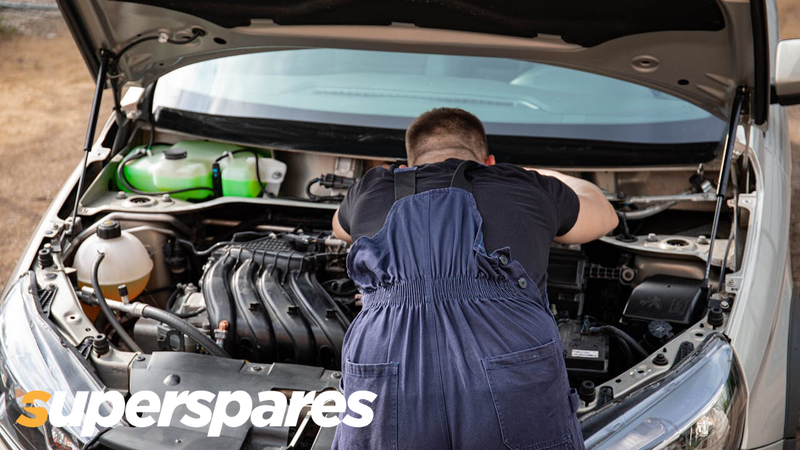

Choosing the right oil filter matters more than you might think. With so many similar-looking filters on the market, it’s easy to pick the wrong one. Thread size, seal, and oil flow are some of the few things that we’ll discuss later. Using the wrong filter can lead to leaks, poor filtration, low oil pressure, or even long-term engine wear.
- Choosing the wrong oil filter can lead to leaks, poor filtration, low oil pressure, or long-term engine wear.
- Always match your filter to your vehicle’s exact specifications, including thread size, seal diameter, and oil-flow requirements.
- High-performance and turbo engines need higher-flow, finer-filtration filters, while diesel and 4WDs benefit from heavy-duty designs.
- Build quality matters – strong housing, reliable seals, and quality filter media keep your engine protected.
- The filter and engine oil work together, so always pair the right filter with the correct oil grade.
Getting the right filter ensures your oil stays clean, your engine runs properly, and you avoid avoidable problems down the track.
Match It to Your Vehicle
The first step is to check what your vehicle actually needs. Every car has specific oil pressure, flow rate, and size requirements. You’ll usually find the correct part number in your owner’s manual or by using Superspares’ vehicle filter tool on top of this very page. You just insert your rego and state and all parts and accessories would show for that vehicle.
Once you know the correct filter type, double-check the technical details. A filter can look right but still be incompatible internally. Make sure:
- Thread size matches your housing - A mismatched thread won’t screw on properly and can cause leaks or blow off under pressure.
- Seal diameter is correct - Too small and it won’t seal the mounting surface, too large and it may bulge or leak. A proper seal prevents oil loss and protects engine pressure.
- Oil flow specification fits your engine - High-performance or turbo engines need filters with higher flow rates. Using a restrictive filter can cause low oil pressure, noisy starts, or long-term engine wear.
These small details make a big difference and are why choosing “the closest match” is never the right approach.
If you’re running a high-performance engine or turbocharged setup, you’ll want a filter designed for higher flow and finer filtration – standard filters just won’t keep up. A solid option in this category is the Ryco Oil Filter - R2072P Brand New Genuine Performance, which offers stable oil flow and finer media that suits modern turbo engines.
For diesel and light-commercial vehicles, heavy-duty options like the Ryco HD Oil Filter for Toyota Coaster N04C are built to meet higher flow demands and tougher operating conditions.
Look at the Build Quality
Oil filters might look similar on the outside, but inside is where the real difference lies. Check for:
- Durable housing that can handle pressure changes
- Strong internal seals that prevent leaks
- Quality filter media (paper or synthetic) that traps fine particles without restricting flow
Cheap filters often cut corners in these areas, so it’s worth spending a little extra for one that’ll actually protect your motor.
Don’t Forget About the Oil
Make sure you’re using oil that matches your manufacturer’s specs and complements the filter you choose. Mixing cheap oil with a good filter (or vice versa) won’t get you far – it’s all about balance.
Find the Right Filter for Your Vehicle with Superspares
At the end of the day, choosing the right car oil filters comes down to knowing your vehicle, the way you drive, and the conditions you face. A bit of research goes a long way, and your engine will thank you for it.
If you’re not sure which filter fits your car best, jump onto Superspares, your trusted automotive parts store in Australia. You’ll find a wide range of genuine and high-quality options, all matched to your vehicle – so you can keep your ride running at its best.

Written by Toby Martin
Automotive Content Specialist
FAQs
1. What happens if I use the wrong oil filter?
You can end up with oil leaks, low oil pressure, poor lubrication, or long-term engine wear. In some cases, the filter may even blow off under pressure if the thread or seal is incorrect.
2. How often should I replace my oil filter?
Most manufacturers recommend replacing the oil filter every time you change your engine oil. For most vehicles, that's every 10,000–15,000 km, or sooner for diesel, turbo, or off-road use.
3. Are expensive oil filters worth it?
Quality filters usually offer stronger housing, better seals, and finer filtration media. Spending a little extra often means better protection, especially for turbocharged, performance, or high-kilometre engines.
4. Can I use any filter with the same shape and size?
No – two filters may look identical but have different thread sizes, seal diameters, bypass valve pressures, or flow ratings. Always match the exact specification.
5. What’s the difference between paper and synthetic filter media?
Synthetic media traps finer particles while maintaining higher flow. Paper media works well for standard engines but may not be enough for high-performance or heavy-duty use.
6. Can I reuse an oil filter?
No – oil filters are single-use items. Reusing one risks contamination, reduced flow, and engine damage.

