

How to Check Worn-Out Car Brakes
Author: Toby Date Posted:13 March 2026
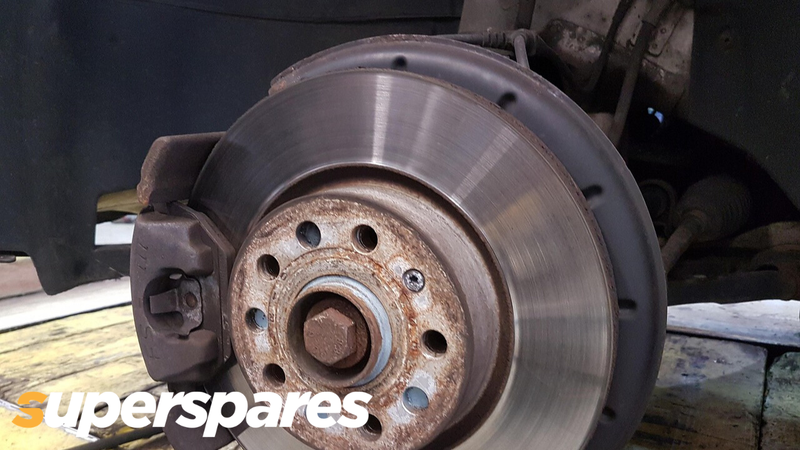

Your brakes are one of the most important safety systems on your car, but they’re also one of the most ignored. Most drivers only think about them when something starts squealing, grinding, or feeling off through the pedal. The good news is you don’t need to be a mechanic to spot early warning signs.
Knowing how to check your car brakes can help you catch problems early, avoid costly repairs, and stay safe on the road.
Why Checking Your Brakes Matters
And just to be clear, we’re talking about checking your brakes for maintenance, not the road-rage kind of brake check. That’s for another guide we’re working on.
On a serious note, studies consistently show that mechanical issues play a role in a meaningful portion of road accidents, and braking faults are among the most common contributors. When you factor in speed, the risk rises even further. With speeding linked to over 40% of fatal crashes, your ability to slow down or stop effectively becomes critical, especially when reaction time is limited.
Brake components wear gradually, which makes problems easy to miss until braking performance drops without warning. Worn pads, damaged rotors, or low brake fluid can all increase stopping distances, particularly in wet conditions or emergency situations. Because the braking system works as a whole, even one neglected component can compromise the entire setup, increasing both safety risks and repair costs over time.
- Regular brake checks help you:
- Maintain consistent stopping power
- Prevent damage to discs and calipers
- Avoid unexpected breakdowns or failures
- Save money by fixing issues early
Regular Checks and Tests You Can Do for Your Brakes
1. Do a Brake Pedal Test
Your brake pedal can tell you a lot about the condition of your braking system. A spongy or soft pedal may indicate air in the brake lines or low brake fluid, while a hard pedal can point to an issue with the brake booster. Vibration or pulsing through the pedal is often caused by warped brake discs, and a pedal that slowly sinks while held down can be a sign of a hydraulic leak.
Any change in pedal feel should be taken seriously and checked as soon as possible, as it usually means something in the braking system is not working as it should.
2. Listen for Unusual Noises
One of the easiest ways to check your brakes is simply to listen while driving.
- Squealing – Often a wear indicator letting you know pads are getting low
- Grinding – Usually means pads are worn out and metal is contacting the rotor
- Clunking or rattling – Can point to loose hardware or worn components
3. Check Brake Pad Thickness
If you can see through your wheels or safely remove them, a visual inspection of the brake pads can reveal a lot. Pads should have at least 3 mm of friction material remaining to operate safely. If the pad looks very thin or shows uneven wear, it’s time for replacement. Uneven pad wear can also indicate caliper issues or alignment problems. In most vehicles, front brake pads wear faster than rear ones due to weight transfer during braking.
4. Inspect Brake Discs and Rotors
Brake discs should be smooth and evenly worn. Here’s what a problematic disc looks like:
- Deep grooves or scoring
- Visible cracks
- Heavy rust on the braking surface
- Blue or purple discolouration from overheating
5. Check Brake Fluid Level and Condition
You can check the brake fluids by locating the brake fluid reservoir under the bonnet. The fluid level should sit between the MIN and MAX markings. If the fluid appears dark or dirty, it may be contaminated with moisture. Low fluid levels can also signal worn brake pads or a leak somewhere in the braking system.
*Quick note: If you want to learn more about car leaks, our guide on car fluid leak colours shows how to quickly tell brake fluid apart from oil, coolant, and other common leaks.*
6. Watch for Dashboard Warning Lights
Warning lights such as the brake pad wear indicator, ABS warning light, or brake system warning symbol should never be ignored. If any of these lights stay on, it’s best to investigate straight away, as they usually indicate reduced braking performance or a system fault.
How Often Should You Check Your Brakes?
Getting into the habit of checking your brakes every few months is a smart move, especially if you regularly drive in stop-start traffic, tow or carry heavy loads, drive in hilly or mountainous areas, or use your vehicle for 4WD or off-road trips. As a general rule, your brakes should also be inspected at every service to catch issues early and keep your vehicle stopping safely.
When to Get a Professional Brake Inspection
If you notice multiple warning signs or aren’t confident checking brakes yourself, a professional inspection is the safest option. Brake systems work as a whole, and issues in one component can affect the rest.
Keep Your Brakes in Top Shape with Superspares
Staying on top of brake checks makes a real difference to safety and long-term running costs. When it’s time for new brake pads, discs, sensors, or fluid, Superspares makes it easy.
As a trusted Australian automotive parts store, Superspares stocks quality brake parts and upgrades from leading brands like Bosch, Bendix, Brembo, DBA, and more. Our range covers passenger cars, performance vehicles, and 4WDs, with parts matched to your vehicle for proper fit and reliable performance. With fast delivery and expert support, keeping your brakes in top condition is simple and stress-free.
Checking your brakes regularly keeps you safer on the road and gives you peace of mind every time you hit the pedal.

Written by Toby Martin
Automotive Content Specialist
FAQs
How can I tell if my brake pads are worn without removing the wheels? +
In some vehicles, you can see the brake pads through the wheel spokes. If the pad material looks thinner than about 3 mm, it’s time to replace them. Squealing noises, longer stopping distances, or a brake warning light are also common signs of worn pads.
Is it safe to keep driving if my brakes are squealing? +
Squealing usually means the brake pads are getting low, but braking performance may still be okay for now. That said, it’s a warning you shouldn’t ignore. Driving too long can lead to metal-on-metal contact, which damages the discs and increases repair costs.
What does it mean if my brake pedal feels spongy? +
A spongy or soft brake pedal often indicates air in the brake lines, low brake fluid, or a fluid leak. This can reduce braking effectiveness and should be checked as soon as possible.
Why do my brakes vibrate when I stop? +
Vibration or pulsing through the brake pedal is commonly caused by warped brake discs. This can happen from excessive heat, heavy braking, or worn components and usually requires disc machining or replacement.
How often should brake fluid be changed? +
Brake fluid should generally be replaced every 2–3 years, depending on the vehicle and driving conditions. Over time, brake fluid absorbs moisture, which reduces braking performance and can damage internal components.
Do front and rear brakes wear at the same rate? +
No. Front brakes usually wear faster because they handle most of the stopping force when braking. Rear brakes tend to last longer, but they should still be checked regularly, especially on vehicles with electronic parking brakes or stability control systems.

