

How to Size a Power Inverter for Camping & Vehicle Use
Author: Toby Date Posted:5 December 2025


A power inverter lets you run 240V appliances from your vehicle’s 12V battery – perfect for camping, road trips, or on-site work. You can power essentials like a fridge, laptop, or small tools wherever you are. But picking the wrong size can cause problems – an inverter that’s too small can overload or shut down, while one that’s too large can waste power and drain your battery faster.
Choosing the right size ensures everything runs smoothly and efficiently wherever you set up.
Key Takeaways
- A power inverter converts 12V DC from your vehicle into 240V AC to run gear like fridges, laptops, and tools.
- Plugging AC devices into DC power can damage them – an inverter safely converts it.
- Pure sine wave inverters suit sensitive electronics, while modified sine wave units handle basic devices.
- To size correctly, add up your device wattages and include a 30% buffer for startup surges.
- Example: Fridge (300–600W), Laptop (300W), Coffee Machine (1500–2000W), Power Tools (2000–3000W).
- Inverters are quiet and ideal for camping setups; generators suit heavier, long-term power needs.
How a Power Inverter Works
A power inverter converts DC (direct current) from your car or auxiliary battery into AC (alternating current), the same type of electricity that powers household appliances. Vehicles and 12V batteries naturally supply DC power, which only flows in one direction. But most everyday devices like fridges, laptops, and power tools are built to run on AC, where the current constantly changes direction.
What happens if you plug an AC appliance straight into a DC socket?
Will you get a dramatic explosion? Not quite, but it definitely won’t end well. At best, nothing happens (or works), at worst, you’ll fry the device’s circuitry in seconds. AC-powered electronics simply aren’t built to handle the constant one-way flow of DC.
That’s where an inverter comes in, it safely converts your battery’s DC into smooth 240V AC power, letting you use your everyday gear without the smoke or sparks.
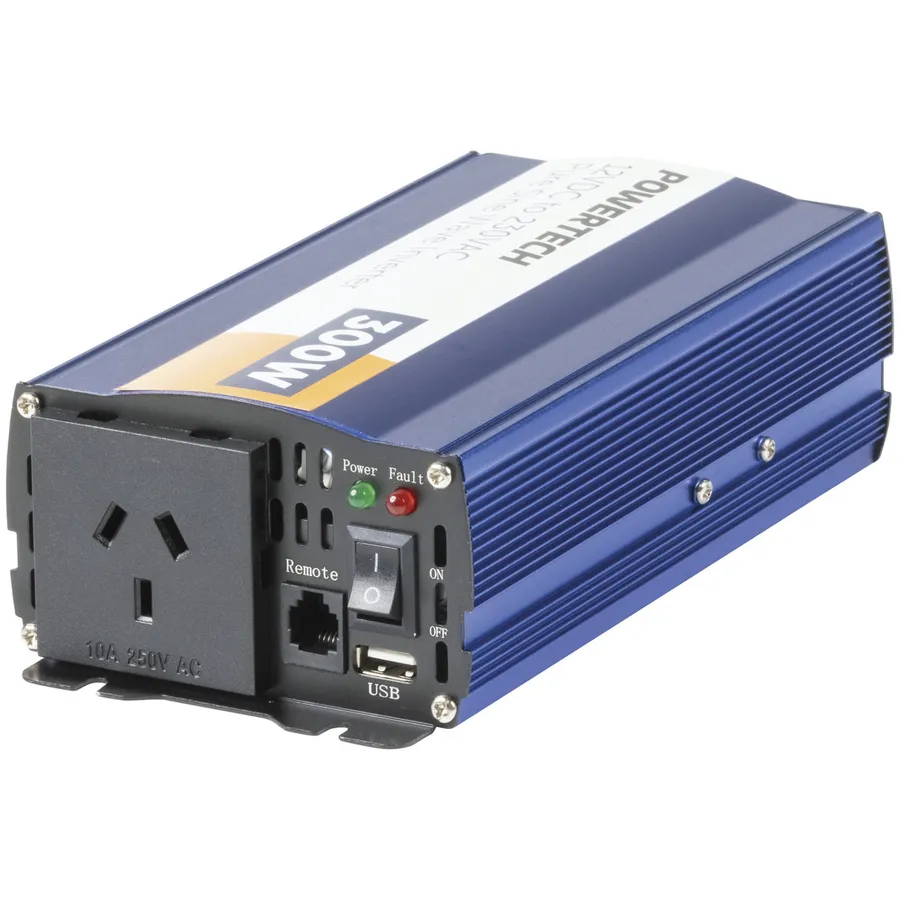 |
For instance, if you need a compact setup for light appliance use, the Powertech Pure Sine Wave Inverter 300W 12VDC to 230VAC is a handy entry-level option for camping or vehicle power. |
Pure-Sine vs Modified-Sine Wave Inverters
Pure-Sine Wave Inverters - These deliver a clean, consistent current that closely matches the power from household sockets. They’re the safest choice for sensitive electronics like laptops, TVs, medical gear, and anything with a motor or compressor (like fridges). If you’re asking yourself which is the safe option, this is it. A pure sine-wave inverter for car or caravan setups ensures everything runs quietly, efficiently, and without risk of overheating.
Modified-Sine Wave Inverters - A modified sine-wave inverter is a more affordable option that suits simpler gear such as lights, fans, and older appliances. They get the job done, but some electronics might buzz, heat up, or draw extra power.
If you’re powering bigger setups, a 12V 3000W inverter will comfortably handle heavier loads like small microwaves or power tools, but make sure your wiring and battery setup are rated for it.
In short, if you’re running basic gear and want to save money, go for modified-sine. But if you value reliability, efficiency, and protection for your electronics, pure-sine is the smarter investment.
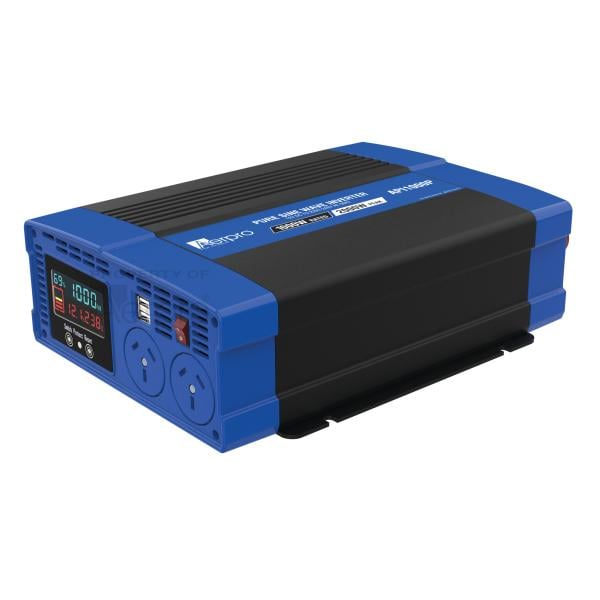 |
If you’re looking for solid all-round performance, the Aerpro 1000W Pure Sine Wave Power Inverter is a great mid-range choice for reliable power delivery on the road or off-grid setups. |
Calculate Your Power Needs
.png)
Before buying, make a quick list of every device you plan to run from your setup, things like your fridge, phone charger, laptop, coffee machine, or power tools. Check each item’s wattage rating (usually printed on the plug, sticker, or in the manual) and note them down.
Add those wattages together to find your total load, then add another 30% buffer to handle startup surges from appliances with compressors or motors, such as fridges or drills. That extra headroom keeps your inverter from overloading when everything kicks in at once.
A few quick tips:
- If you’ll be running several devices simultaneously, calculate their combined wattage, not just one item at a time.
- Remember that power-hungry tools and kitchen appliances often need more wattage on startup than during normal use.
- Always match your inverter to your battery capacity and ensure your cabling and fuse ratings can safely handle the current draw.
Once you’ve done the maths, you’ll have a clearer idea whether a 600W, 1500W, or 12V 3000W inverter is the right fit for your setup. This approach prevents wasted power and avoids the risk of tripping your system when you need it most.
Choosing the Right Inverter Size for Your Setup
| Appliance | Average Wattage | Recommended Inverter Size |
|---|---|---|
| Portable Fridge | 60–100 W | 300–600 W |
| Laptop | 80–120 W | 300 W |
| Coffee Machine | 800–1200 W | 1500–2000 W |
| Power Tools (Drill, Grinder) | 600–1500 W | 2000–3000 W |
| Microwave | 1000–1500 W | 3000 W+ |
If your fridge or tool draws more current on startup (common with compressors), size up your inverter to avoid overload trips.
Inverter vs Generator for Camping
An inverter is cleaner, quieter, and better suited for battery setups or 4WD camping, especially when paired with solar. A generator, on the other hand, provides more sustained power for high-demand use.
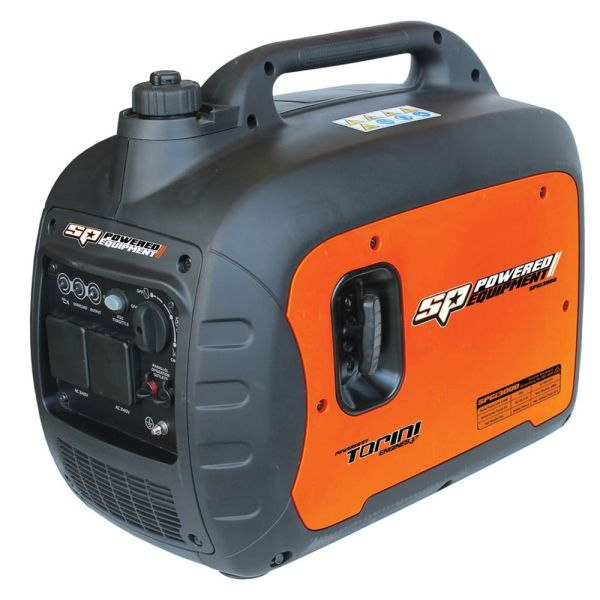 |
For heavier-duty or trade applications, the SP Tools 3000W Inverter Generator – Super Quiet ESC 2 x 15Amp Power Outlets delivers stable sine wave power in a portable design, ideal for when you need long-lasting power without excessive noise. |
Power Your Next Adventure with Superspares
Superspares has the gear to keep you connected – from dual-battery accessories to reliable car power inverters and other 4WD essentials. As your trusted auto parts online store, we make it easy to find the right equipment, with free delivery on orders over $99 and 30-day returns across Australia.

Written by Toby Martin
Automotive Content Specialist
FAQs
1. What size inverter do I need for camping?
Add up the wattage of your devices and include a 30% buffer. Small setups need around 600W, while larger ones may need a 12V 3000W inverter.
2. What’s the difference between pure and modified sine wave inverters?
Pure sine wave inverters suit sensitive gear like laptops and fridges. Modified sine wave inverters are cheaper and fine for lights or fans.
3. Can I plug 240V appliances into a car battery?
No. Car batteries supply 12V DC, and most appliances need 240V AC. You’ll need an inverter to convert it safely.
4. Which is better for camping, an inverter or a generator?
Inverters are quiet and ideal for 4WD or solar setups. Generators are better for long or heavy power use.
5. How long will an inverter run my gear?
It depends on your battery size and power draw. For example, a 100Ah battery running a 300W load lasts around 3–4 hours. A 200Ah battery can double that time. Solar or dual-battery setups extend runtime.

