

Warning Signs Your Brakes Need Replacing
Author: Toby Date Posted:20 March 2026
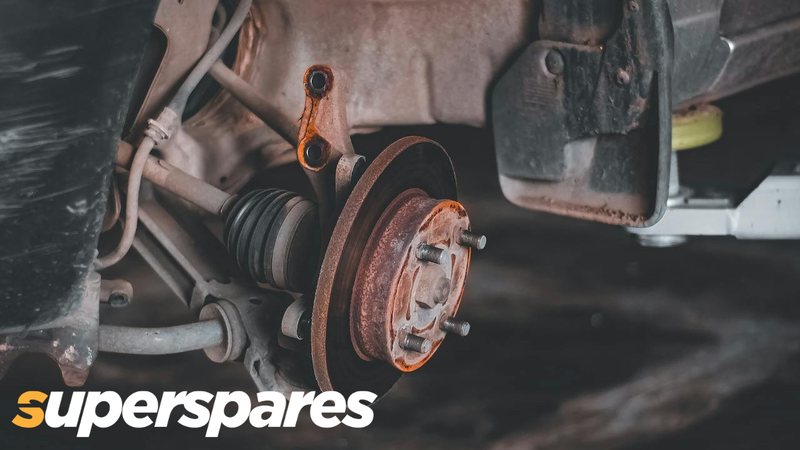

Your brakes rarely fail without warning. The problem is most drivers don’t notice the signs until braking performance drops suddenly or something starts making noise. Because brakes wear gradually, it’s easy to put off checking them, but delaying replacement can increase stopping distances and lead to bigger repair bills.
Knowing the early warning signs helps you stay safe and fix issues before they turn into costly or dangerous problems.
Squealing or Screeching When Braking
Sounds are often the first clue that something isn’t right.
- Squealing or screeching - Usually caused by brake pad wear indicators alerting you that pads are getting low.
- Grinding noises - A serious warning sign that pads may be fully worn and metal is contacting the rotor.
- Rattling or clunking - Can point to loose brake hardware or uneven pad wear.
If noise continues after light braking, it’s best to inspect the brakes sooner rather than later.
Grinding Noises
Grinding is a serious red flag. It usually means the brake pads are completely worn out and metal is contacting the rotor.
At this point, braking performance is reduced and you risk damaging the discs. Replacing pads early is far cheaper than replacing pads and rotors together.
Reduced Stopping Power
If your car takes longer to stop or doesn’t feel as responsive as it used to, worn brake pads could be the cause.
This can be subtle at first, especially during everyday driving, but becomes noticeable in emergency stops or wet conditions. Any drop in braking confidence should be checked straight away.
Vibration or Pulsing Through the Pedal
Your brake pedal can reveal a lot about brake condition.
- A soft or spongy pedal may indicate worn pads, air in the system, or low fluid
- Vibration or pulsing often points to uneven pad wear or worn brake discs
- A pedal that sinks slowly can signal a hydraulic issue
Changes in pedal feel are never normal and should be checked promptly.
Brake Warning Light Comes On
Many modern vehicles use brake pad wear sensors. When the warning light appears on your dash, it’s not something to ignore.
The light usually means the pads are close to their minimum thickness and replacement is due soon.
Visual Inspection of Worn Brake Pads
If you can see your brakes through the wheel or safely remove it, a quick visual check helps.
| What to Check | What It Means |
|---|---|
| Less than 3 mm of pad material | Pads need replacing |
| Uneven pad thickness | Possible caliper or alignment issue |
| Heavy rust or scoring on discs | Reduced braking efficiency |
Front brake pads typically wear faster than rear ones due to weight transfer during braking.
Pulling to One Side When Braking
If your car pulls left or right under braking, it could be uneven pad wear or a sticking caliper. Either way, it affects braking balance and should be addressed quickly.
Burning Smell After Driving
A sharp, burning smell after driving, especially downhill or in traffic, can indicate overheated brakes or pads worn too thin.
Repeated overheating accelerates pad wear and can damage other braking components.
Don’t Delay Brake Replacement
Brakes are not a “wait and see” component. Worn pads affect stopping distance, control, and overall safety. Leaving them too long often turns a simple pad replacement into a much bigger repair.
Regular checks and early replacement keep braking performance consistent and help protect discs, calipers, and brake fluid.
Get the Right Brake Parts at Superspares
If you’re noticing any of these warning signs, it’s time to act. Superspares makes it easy to find the right brake pads, discs, sensors, and fluid for your vehicle.
As a trusted automotive parts store, we stock quality brake parts and upgrades for passenger cars, performance vehicles, and 4WDs, with options from leading brands and fast delivery nationwide. Keeping your brakes in top shape means safer driving and better peace of mind every time you hit the road.

Written by Toby Martin
Automotive Content Specialist

