

What That Tyre Wear Pattern Really Means
Author: Toby Date Posted:26 September 2025
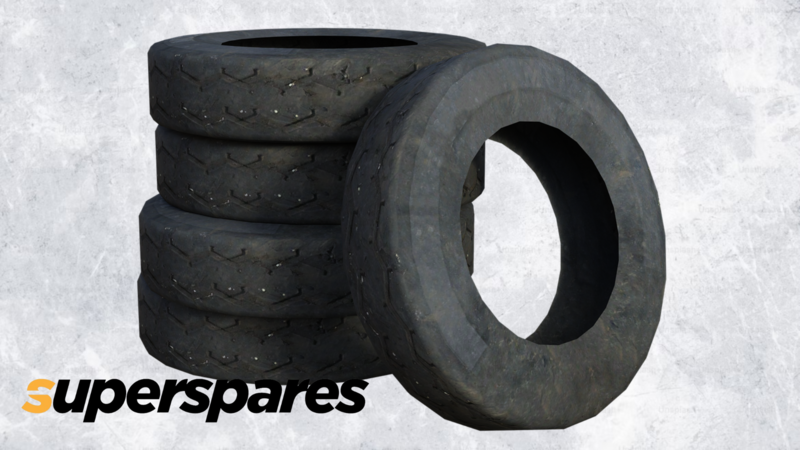

Your tyres say a lot about how your car’s running — if you know how to read them. Uneven wear patterns are more than just annoying; they’re warning signs of bigger issues hiding underneath. Whether it’s your alignment, suspension, or tyre pressure that’s out of whack, catching tyre problems early can save you from costly repairs down the track.
Let’s break down the most common tyre wear types and what they could be telling you.
1. Uneven Crossed Wear (Diagonal Wear)
Notice feathering or a diagonal pattern across your tread blocks? That’s often a red flag for poor suspension geometry or worn steering components. It’s also common in vehicles that haven’t had a proper wheel alignment in a while. Ignoring this could mean you're chewing through tyres quicker than necessary.
2. Side Wear (Shoulder Wear on Both Edges)
If both shoulders are wearing faster than the centre, it usually means your tyre pressure’s too low. Underinflated tyres flex more, causing the edges to press harder against the road. You’ll also feel sluggish handling and increased fuel usage — all from not checking your pressures regularly.
3. Middle Wear
This one’s the opposite problem: overinflation. When tyres are pumped up too hard, only the centre makes full contact with the road. You’ll wear out the middle tread faster and reduce grip, especially in the wet. It’s an easy fix — just check your pressures match the placard on your door frame or owner’s manual.
4. Uneven Spot Wear (Cupping or Scalloping)
This wear shows up as dips or waves around the tyre’s surface, and it often comes with a low rumbling noise when driving. It’s usually caused by worn shocks, struts, or other suspension parts that can’t keep your tyre planted evenly. Left unchecked, it can affect your control and braking.
5. One-Sided Wear
Wearing only the inner or outer edge? That’s a classic sign of misaligned wheels or camber issues. It’s common after hitting a pothole or kerb, or after fitting a lift or lowering kit without realignment. One-sided wear eats through expensive tyres fast, so get it looked at early.
6. Bald Tyres
No tread left? That’s not just a wear pattern — it’s a safety hazard. Bald tyres are dangerous in any condition, especially on wet or slippery roads. They can also get you fined or defected if spotted during a roadworthy inspection. If you can’t see the tread wear indicators anymore, it’s time for a replacement.
Fix Tyre Wear at the Source with Superspares
Understanding tyre wear isn’t just about keeping your rubber fresh — it’s about protecting your suspension, alignment, and braking performance too. At Superspares, we’re more than just an auto parts online shop — we help you get your vehicle sorted from the ground up.
Whether you're chasing new tyres, suspension components, or alignment gear, we’ve got fast shipping Australia-wide and expert support to help you fix the issue for good.

