

What to Check Before Replacing Your Factory Head Unit
Author: Toby Date Posted:21 November 2025
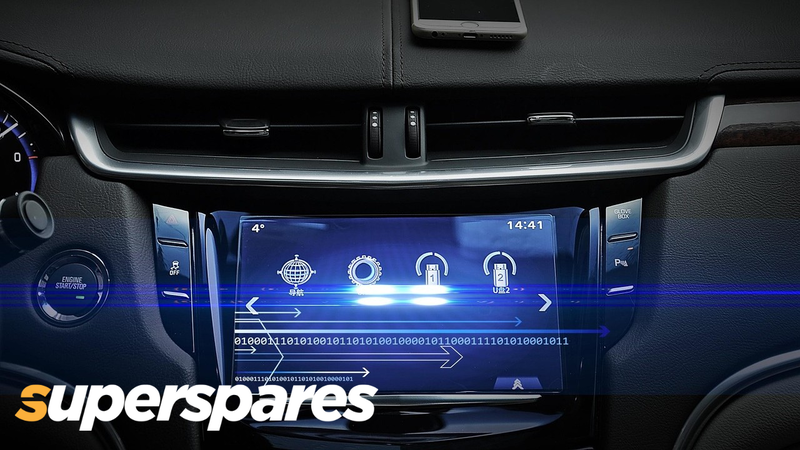

Swapping out your factory head unit sounds easy enough – pull the old one out, plug the new one in, and you’re good to go, right? Not quite. Modern cars are packed with tech, and your head unit does more than just play tunes. Before diving in, it’s worth checking a few key things to make sure your upgrade goes smoothly and everything still works the way it should.
7 Essential Pre-Upgrade Checks for Your Car Audio System
1. Check Compatibility with Your Vehicle
Not all head units are a universal fit. Before buying, confirm whether your vehicle takes a single DIN or double DIN unit – basically, the size of the slot in your dash.
- Single DIN: Smaller, classic style. Usually about 5 cm tall.
- Double DIN: Larger touchscreen models, twice the height, often with more features.
Also, check if your car needs a specific dash kit or facia panel to make the new head unit look factory-fitted. Many late-model cars have uniquely shaped dashboards that require a matching trim kit for a clean finish.
2. Wiring Harness and Connectors
This is where most people get caught out. Your factory head unit connects to your car’s wiring through a dedicated harness. Replacing it often requires a wiring harness adapter to connect the new unit without cutting or splicing wires.
A harness adapter does two things:
- It makes installation cleaner and reversible.
- It prevents electrical gremlins like short circuits or interference.
If your car has built-in features like reverse cameras, steering wheel controls, or factory amplifiers, you’ll also need compatible interface modules or retention kits to keep them working with your new head unit.
3. Retain Steering Wheel Controls and Factory Features
Most modern vehicles let you control volume, track changes, or even calls from the steering wheel. Replacing your factory unit can disable these if you don’t have the right accessories.
To keep them working, you’ll need a steering wheel control interface compatible with your new head unit’s brand – whether it’s Pioneer, Alpine, Kenwood, or Sony.
Likewise, check if your vehicle has:
- Factory reverse cameras
- Parking sensors
- Integrated vehicle settings (like climate or vehicle info screens)
These often require specialised adapters to retain full functionality.
4. Check Your Power and Speaker Setup
Your new head unit’s power output should match your speakers and amplifiers. Most factory units are low-powered, while aftermarket ones can push more watts per channel.
If you’re running upgraded speakers or an external amp, look for a unit with RCA pre-outs or DSP (digital signal processing) for cleaner sound and easier tuning.
For 4WDs and touring setups, you might even want dual-zone audio or extra outputs to drive speakers in the canopy or caravan.
5. Connectivity and Features You Actually Need
Modern head units come loaded with options – Bluetooth, Apple CarPlay, Android Auto, Wi-Fi, DAB+, GPS, and even voice control. But not everyone needs every feature.
Ask yourself:
- Do you stream music and navigation from your phone?
- Do you need wireless connectivity or wired is fine?
- Will you use built-in maps or your phone’s apps?
Choosing based on how you actually drive and listen helps you avoid overspending on features you’ll never use.
6. Sound Tuning and Future Upgrades
If you plan to upgrade more of your audio system later – like adding an amp, sub, or sound processor – go for a head unit with high-voltage pre-outs (4V or higher) and expandable EQ settings.
This gives you better signal quality and more flexibility as your system grows, especially if you’re building a proper setup for road trips, off-road touring, or shows.
7. Installation: DIY or Pro Job?
If you’re confident with wiring and have the right tools, a DIY install can save some cash. But if your car’s got integrated controls, factory amplifiers, or airbags near the dash, a professional installer might be the smarter move.
A good install not only looks clean – it protects your electrical system, preserves your car’s value, and avoids headaches down the road.
Choosing the Right Head Unit with Superspares
Before pulling your dash apart, take a moment to check the details: fitment, wiring, and compatibility with your car’s existing tech. It’ll save you a world of hassle later.
At Superspares, we stock a wide range of head units, wiring harnesses, dash kits, and audio accessories from trusted brands like Sony and Aerpro – built to suit popular vehicles across Australia, from city runabouts to tough 4WDs. When you’re ready to upgrade, explore our range at our automotive parts store, where you’ll find trusted brands and expert advice to help you get it right the first time.

Written by Toby Martin
Automotive Content Specialist

