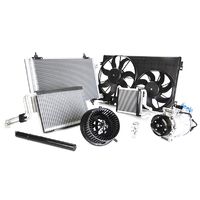
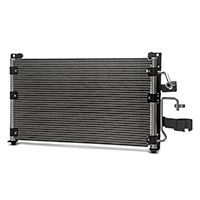
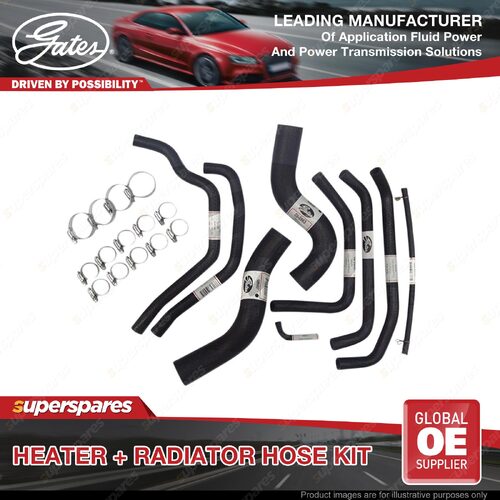
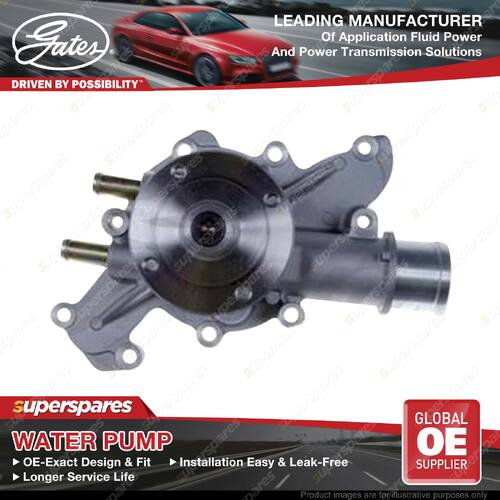
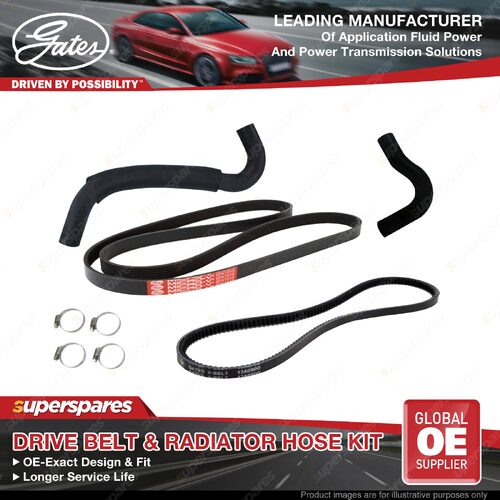
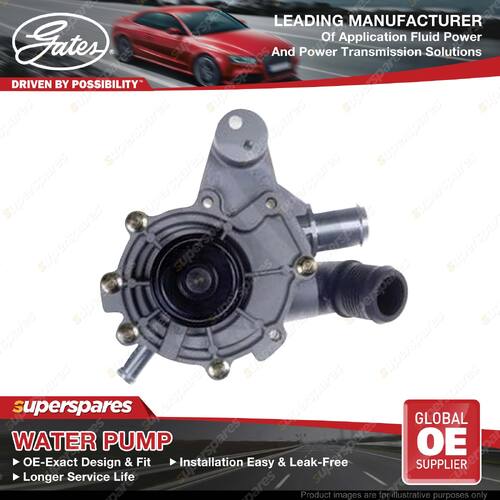
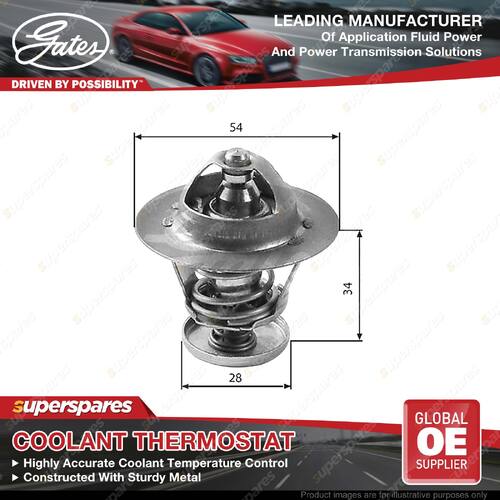
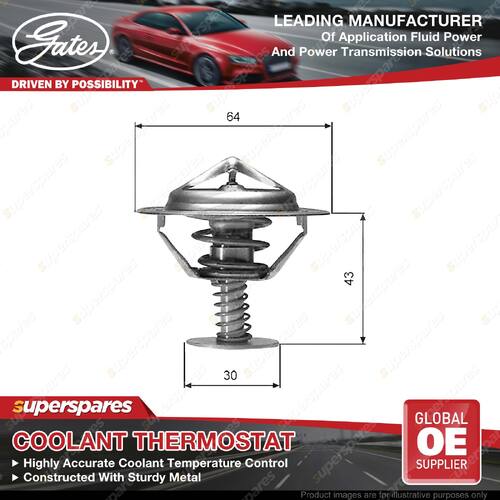
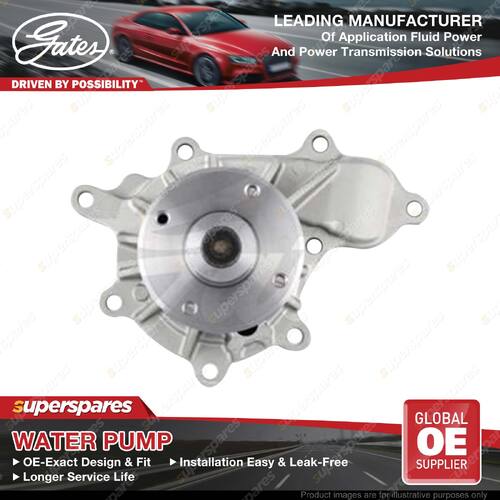
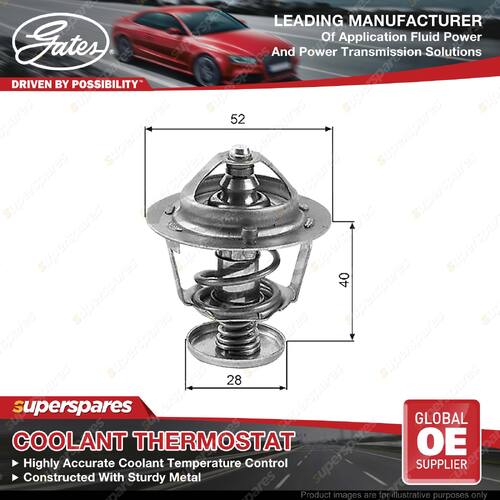
Keep your vehicle running at the right temperature with Superspares’ car heating and cooling system parts. Whether you're after engine cooling components or air conditioning parts, we stock quality solutions for passenger cars, performance vehicles, and 4x4s. For reliable engine temperature control, explore premium options from Bosch, Gates, and Tridon. When it comes to staying comfortable in the cabin, our AC parts range features trusted brands like Protex, Gates, and our very own Superspares line. From radiator hoses and thermostats to AC compressors and AC condensers, we’ve got you covered. Plus, enjoy free delivery on orders over $99 and a 30-day return policy across Australia. Shop with confidence and keep your cooling system in top condition.
FAQs
How does a car's aircon, heating, and cooling system work?
A vehicle's climate system combines three related circuits. The engine cooling system uses coolant circulated by a water pump through the radiator and heater core to maintain engine temperature, typically around 85-105 degrees C. The heater draws hot coolant through the heater core, with a fan blowing warm air into the cabin. The air conditioning system is separate — a belt-driven compressor pressurises refrigerant, which cools through the condenser, expansion valve, and evaporator, cooling the cabin air. Together, these systems manage engine health and cabin comfort in Australia's wide temperature range.
How often should I have my car's air conditioning regassed?
Most Australian workshops recommend having the aircon system checked and regassed every 2-3 years, or whenever cooling performance drops noticeably. Refrigerant slowly leaks past seals and hoses even in a healthy system — losing around 10-15% per year is common. Signs you need a regas include weak or warm airflow, unusual noises from the compressor, or ice forming on the low-pressure line.
What are common signs of a failing radiator or cooling system?
The most common signs are rising coolant temperatures, especially when towing or climbing hills; coolant loss without an obvious leak; sweet-smelling steam from under the bonnet; white exhaust smoke (indicating a potential head gasket issue); and visible green, pink, or orange coolant stains under the vehicle. Plastic-tanked radiators commonly fail around the tank-to-core seam after 8-12 years, and water pumps often start weeping at around 150,000-200,000 km. Always address cooling issues promptly — an overheated modern alloy engine can cost $3,000-$8,000+ in repairs if the head warps or the head gasket fails.
How much does it cost to replace a radiator in Australia?
Radiator replacement costs depend heavily on vehicle and labour. For common passenger cars and utes, expect $400-$900 fitted, including coolant. Larger 4WDs and turbo-diesel engines with integrated oil and transmission coolers generally run $700-$1,500. Heavy-duty aluminium radiators for towing and performance use from brands like
Aisin and other heavy-duty cooling suppliers can push the total well above $1,500. Always replace the thermostat, radiator cap, and any tired hoses at the same time — they're cheap individually and save a second workshop visit if they fail shortly after.
What type of coolant should I use in my car?
Always use the coolant specified by the manufacturer — colours are not interchangeable. Modern vehicles typically use long-life OAT (Organic Acid Technology) coolants, often coloured pink, red, or orange, rated for 5 years / 150,000-300,000 km. Older vehicles may use green IAT (Inorganic Additive Technology) coolant, which needs replacing every 2 years / 60,000 km. Mixing incompatible coolants can cause gelling and blockages. Quality brands available in Australia include
Penrite,
Nulon, and
Liqui Moly. Always mix concentrate with demineralised water (typically 50/50) unless buying pre-mixed.
Why is my car's heater blowing cold air?
Common causes include a low coolant level, a stuck thermostat (opening too early and never letting the engine warm up), a blocked heater core, a failed blend door actuator, or an airlock in the cooling system. Start by checking coolant level and ensuring the engine reaches normal operating temperature. If the engine warms up but the heater stays cold, the heater core may be partially blocked — this can sometimes be improved with a cooling system flush. Blend door faults are common on many vehicles and usually present as heat on one side but not the other. A workshop diagnosis is generally $100-$200.
Can I drive with a faulty air conditioning system?
You can drive safely with a broken aircon in cool conditions, but there are a few concerns. A seized aircon compressor can throw or break the serpentine belt, potentially stopping the water pump and alternator as well, which will quickly overheat the engine. A leaking evaporator can dump refrigerant into the cabin (rare but unpleasant). Most importantly, in Australian summer heat, driver fatigue and heat stress become genuine safety issues on long drives. If the aircon is non-functional, have it diagnosed before the hot months — minor leaks are typically cheap to fix, but a failed compressor can cost $1,200-$2,500 to replace.

No results?
We can source thousands of parts!
Send Message Now