

Clutch Replacement Cost Guide
Author: Toby Date Posted:29 May 2026
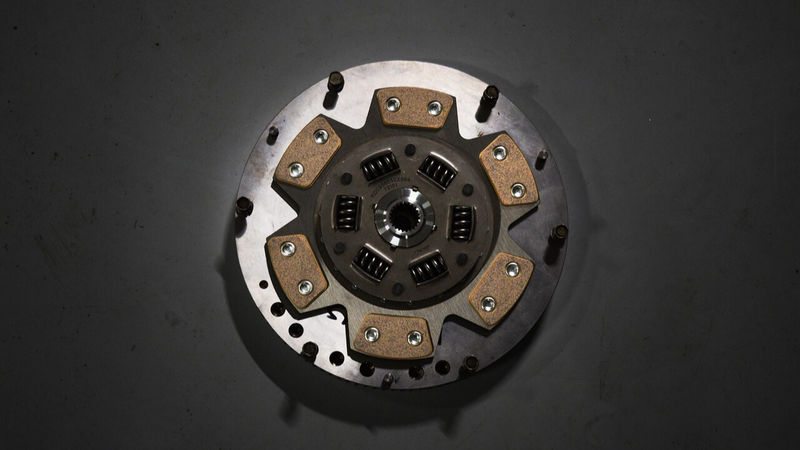

Replacing a clutch isn’t something most drivers deal with often, but when it’s needed, the cost can come as a surprise. Clutch replacement pricing can vary depending on your vehicle, parts, and labour involved.
Key Takeaways
- Typical clutch replacement costs: Clutch replacement in Australia generally ranges from $800 to $2,000+, while parts alone usually cost between $200 and $800.
- Vehicle type affects pricing: Smaller passenger cars are usually cheaper to service, while 4WDs, utes, and performance vehicles cost more due to larger or more complex clutch systems.
- Labour is a major factor: Most clutch replacement jobs take 4–8 hours, with workshop labour rates commonly sitting between $100 and $180 per hour.
- Extra repairs can increase costs: Replacing worn flywheels, hydraulic components, or related drivetrain parts can significantly add to the final bill.
- Watch for warning signs: Slipping, difficulty shifting gears, burning smells, and changes in clutch pedal feel are common indicators of clutch wear.
- Early replacement can save money: Replacing a worn clutch before major damage occurs and choosing the correct clutch type for your driving style can help avoid more expensive repairs later.
How Much Does Clutch Replacement Cost?
As a general guide in Australia:
- Clutch kit (parts only): $200–$800
- Clutch replacement (parts + labour): $800–$2,000+
Smaller passenger cars usually sit at the lower end, while 4WDs, utes, and performance vehicles tend to cost more due to larger or more complex systems. If additional components like the flywheel need replacing, costs can increase further.
What Affects the Cost?
Clutch replacement costs vary for a few key reasons. Vehicle design plays a big role, as some cars require more labour to access the transmission. Workshop labour rates in Australia typically range from $100–$180 per hour, and most clutch jobs take 4 to 8 hours or more.
The type of clutch also matters. Standard replacements are more affordable, while heavy-duty or performance clutches cost more due to improved durability and heat resistance. In many cases, related parts such as the flywheel, slave cylinder, or release bearing may also need attention, adding to the total cost but helping prevent future repairs.
Signs Your Clutch Needs Replacing
Clutch wear usually happens gradually, but common signs include:
- Slipping during acceleration
- Difficulty changing gears
- Burning smell while driving
- Clutch pedal feels different or engages higher than usual
If these symptoms appear, it’s best to act early to avoid further damage.
How to Keep Costs Under Control
You can reduce clutch replacement costs by addressing issues early before they affect other components like the flywheel. Choosing the right clutch for your driving needs also helps prevent premature wear.
It’s also worth comparing quotes and checking what’s included, as some workshops bundle labour, parts, and machining differently. In some cases, supplying your own parts can help reduce overall costs.
Find the Right Clutch Parts at Superspares
If you’re planning a clutch replacement, using quality parts is essential for long-term performance.
Superspares makes it easy to find clutch kits, flywheels, and related components for passenger cars, performance vehicles, and 4WDs across Australia. As an established auto parts online shop, we offer reliable brands and parts matched to your vehicle, helping you get the job done right without unnecessary guesswork.
With the right parts and a clear understanding of costs, you can approach clutch replacement with confidence.

Written by Toby Martin
Automotive Content Specialist
FAQs
How long does a clutch last? +
Most clutches last around 100,000–160,000 km, but this varies depending on driving style, traffic conditions, and vehicle type. Frequent stop-start driving or towing can shorten lifespan.
Why is clutch replacement so expensive? +
The main cost comes from labour, not parts. Replacing a clutch requires removing the transmission, which is time-consuming and labour-intensive.
Can I drive with a worn clutch? +
You can for a short time, but it’s not recommended. A worn clutch can slip, reduce power, and eventually fail completely, potentially leaving you stranded.
Should I replace the flywheel at the same time? +
Not always, but it’s often recommended. If the flywheel is worn or damaged, replacing or machining it during the same job can prevent repeat labour costs later.
Is it cheaper to supply your own clutch kit? +
In some cases, yes. Supplying your own parts can reduce workshop markup, but always confirm the parts are compatible with your vehicle before purchasing.
What’s included in a clutch kit? +
Most clutch kits include the clutch plate, pressure plate, and release bearing. Some kits may also include additional components depending on the vehicle.
Do automatic cars need clutch replacement? +
Traditional automatic vehicles don’t use a manual clutch, but some systems like dual-clutch transmissions (DCTs) do. These have different servicing requirements and costs.
How can I extend the life of my clutch? +
Avoid riding the clutch, minimise excessive slipping, and use smooth gear changes. Driving habits play a big role in how long a clutch lasts.

