

Fuel Saving Myths in 2026
Author: Toby Date Posted:12 June 2026
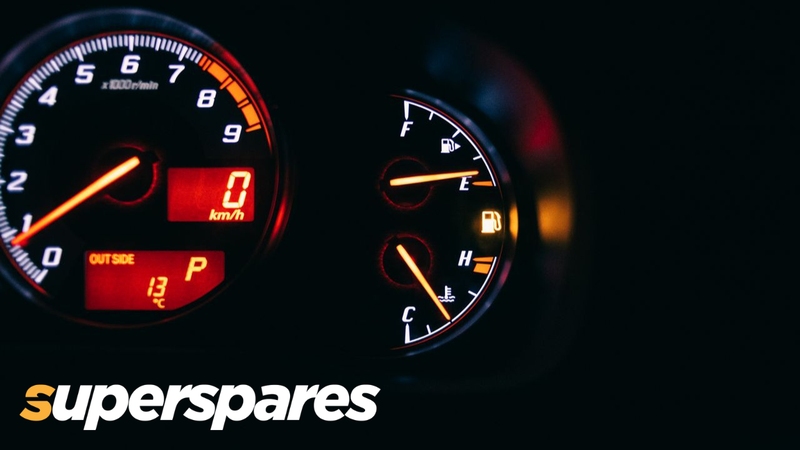

With fuel prices across Australia still sitting painfully high, plenty of drivers are looking for ways to reduce fuel consumption. The problem is that the internet is full of “fuel-saving hacks” that either barely work or can actually make things worse.
Some myths have been around for decades, while others exploded through TikTok, YouTube, and forums. The good news is that improving fuel efficiency is usually much simpler than people think.
Here’s a breakdown of common fuel-saving myths and what actually makes a difference.
7 Common Fuel Saving Myths
Myth 1: Premium Fuel Always Improves Fuel Economy
A lot of drivers assume premium petrol automatically improves fuel economy, but it depends on the vehicle. Performance cars like the Subaru WRX or Volkswagen Golf GTI are designed for higher octane fuel and may see small efficiency gains of around 2–5%.
But for vehicles that only require regular unleaded, such as a Toyota Corolla or Hyundai i30, the difference is usually minimal. A car using 7L/100km might only improve to around 6.8–6.9L/100km on premium fuel.
Considering premium fuel can cost 20–30 cents more per litre in Australia, the added cost often outweighs the small fuel savings unless the engine specifically requires it.
Myth 2: Warming Up Your Car for Several Minutes Saves Fuel
This used to apply more to older carburetted engines, but modern vehicles don’t need long warm-up periods.
Letting your car idle in the driveway for 5–10 minutes simply burns fuel unnecessarily. Most modern engines are ready to drive after 30 seconds or so, provided you drive gently until the engine reaches operating temperature.
Idling can use around 0.5–1 litre of fuel per hour, which adds up surprisingly fast over time.
Myth 3: Air Conditioning Always Destroys Fuel Economy
Air conditioning does increase engine load slightly, but the impact is often smaller than people expect.
At lower speeds, opening windows may save a small amount of fuel. However, at highway speeds, open windows create aerodynamic drag, which can actually reduce fuel efficiency more than using the air conditioning system. In many modern vehicles, the difference is relatively minor.
Myth 4: Driving Faster Gets You There More Efficiently
Once you push well beyond normal highway cruising speeds, aerodynamic resistance increases dramatically and the engine has to work much harder just to move through the air. For example, increasing speed from 100 km/h to 120 km/h can raise fuel consumption by roughly 10–20% depending on the vehicle.
In most cases, you only arrive a few minutes earlier while using noticeably more fuel in the process.
Myth 5: Fuel Additives Are Miracle Solutions
Some fuel additives can help clean injectors or remove deposits, particularly in older vehicles. But many products promising huge fuel savings are heavily exaggerated. A fuel additive won’t magically transform a poorly maintained vehicle into an ultra-efficient one.
Regular servicing, correct tyre pressure, clean filters, and sensible driving habits usually make a much bigger difference.
Myth 6: Manual Cars Always Use Less Fuel
Years ago, manuals often had an efficiency advantage. That gap has narrowed significantly. Modern automatic transmissions, especially CVTs and dual-clutch systems, are now extremely efficient and can sometimes outperform manual gearboxes in fuel economy testing.
The driver’s habits usually matter more than the transmission itself.
Myth 7: Coasting in Neutral Saves Fuel
Some drivers believe shifting into neutral while rolling downhill helps save fuel. In modern vehicles, that’s usually not true.
Drivers can still coast while staying in gear simply by lifting off the throttle early and letting the car slow down naturally. Most modern engines already reduce or completely cut fuel delivery during engine braking when you do this.
Coasting in neutral can also reduce vehicle control and increase brake use on downhill sections. In many cases, staying in gear is actually the more efficient and safer option.
What Actually Improves Fuel Efficiency?
The reality is that fuel savings usually come from small consistent habits rather than dramatic hacks.
The biggest real-world improvements typically come from:
- Smooth acceleration and braking
- Maintaining steady speeds
- Correct tyre pressure
- Regular servicing
- Replacing worn filters and spark plugs
- Reducing unnecessary weight
- Avoiding excessive idling
Combined, these changes can improve fuel economy by 10–30% depending on the vehicle and driving style.
Fuel Efficiency Is Mostly About Consistency
There’s rarely one magic trick that suddenly cuts fuel bills in half. Most fuel-saving gains come from maintaining your vehicle properly and driving more smoothly over time.
The good news is that these improvements also reduce wear on the engine, tyres, brakes, and drivetrain, which can lower long-term running costs beyond just fuel savings.
Keep Your Vehicle Running Efficiently with Superspares
Good fuel economy starts with keeping your vehicle properly maintained. Clean filters, healthy ignition components, correct fluids, and quality replacement parts all help your car run more efficiently.
Superspares makes it easy to find service parts, filters, spark plugs, fuel system components, and maintenance essentials for passenger cars, performance vehicles, and 4WDs across Australia. As a trusted Australian car parts store, we help drivers reduce running costs and keep their vehicles performing at their best.

Written by Toby Martin
Automotive Content Specialist

