

When to Change Car Fluids
Author: Toby Date Posted:15 May 2026
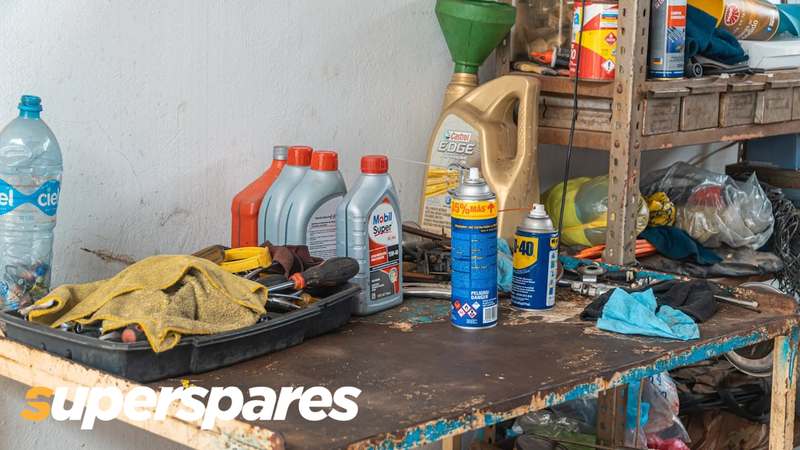

Your car relies on several fluids such as engine oil, coolant, brake fluid, and transmission fluid to keep key systems running properly. Over time these fluids break down or become contaminated, so regular replacement is essential to maintain performance and prevent unnecessary wear.
Key Takeaways
- Car fluids are essential for performance and protection: Engine oil, coolant, brake fluid, and transmission fluid help lubricate components, regulate temperature, and prevent wear.
- Fluids break down over time: Heat, contamination, and normal use gradually reduce their effectiveness, making regular replacement necessary.
- Each fluid has its own service interval: Engine oil is commonly changed every 5,000–15,000 km, while brake fluid is often replaced every two years.
- Ignoring fluid maintenance can cause major issues: Overheating, poor braking performance, rough gear shifts, and premature component failure are common risks.
- Warning signs should not be ignored: Dark fluid, unusual noises, or reduced vehicle performance may indicate a fluid needs checking or replacing.
- Driving conditions affect service frequency: Towing, stop-start traffic, off-road driving, and extreme temperatures may require more frequent fluid changes.
Why Fluid Maintenance Matters
Vehicle fluids do much more than just lubricate moving parts. They help regulate temperature, transfer hydraulic pressure, protect against corrosion, and remove contaminants from key systems.
When fluids break down, problems can appear quickly. Old engine oil can cause increased engine wear and louder operation. Low or degraded coolant may lead to overheating, especially in traffic or hot weather. Contaminated brake fluid can result in a soft brake pedal and reduced braking performance. Worn transmission fluid may cause rough or delayed gear shifts.
Regular fluid checks and replacements are one of the simplest ways to keep your car running reliably.
Common Car Fluids and When to Change Them
| Fluid | Typical Change Interval | Common Signs It Needs Changing |
|---|---|---|
| Engine Oil | 5,000–10,000 km (conventional) / 10,000–15,000 km (synthetic) | Dark oil, engine noise, oil warning light, reduced fuel efficiency |
| Coolant (Radiator Fluid) | 40,000–100,000 km | High engine temperature, rusty coolant, low coolant level |
| Brake Fluid | Every 2 years or ~40,000 km | Spongy brake pedal, dark fluid, reduced braking performance |
| Transmission Fluid | 60,000–100,000 km (automatic) / 80,000–120,000 km (manual) | Rough shifting, slipping gears, burning smell |
| Power Steering Fluid | Around 80,000–100,000 km | Heavy steering, whining noise while turning, low fluid level |
| Differential / Transfer Case Fluid | 80,000–120,000 km | Drivetrain whining, fluid leaks near differential |
| Windshield Washer Fluid | Top up as needed | Poor windscreen cleaning or empty reservoir |
*Note: Actual service intervals may vary depending on vehicle model, driving conditions, and manufacturer recommendations.
If you want to quickly identify fluids while checking your car, our car fluid leak colours guide explains how to recognise common fluids by colour.
Factors That Affect Fluid Change Intervals
Not all vehicles follow the same maintenance schedule. Fluid life can vary based on:
- Driving conditions (city traffic vs highway driving)
- Towing or heavy loads
- Off-road use
- Climate and temperature extremes
- Vehicle age and mileage
For example, 4WD vehicles used off-road often require more frequent differential and transmission fluid changes.
Keep Your Vehicle Running Smoothly with Superspares
Regular fluid maintenance is one of the easiest ways to protect your engine, transmission, and braking system. Checking fluid levels and replacing them at the right intervals helps prevent expensive repairs and keeps your vehicle performing the way it should.
If you're planning a service or fluid change, Superspares makes it easy to find what you need. As a trusted Australian car parts store, we stock engine oils, coolants, brake fluids, transmission fluids, and other car service essential fluids for passenger cars, performance vehicles, and 4WDs.
With the right fluids and a simple maintenance routine, you can keep your car running smoothly for years to come.

Written by Toby Martin
Automotive Content Specialist
FAQs
How often should I change my car fluids? +
It depends on the type of fluid and the vehicle. Engine oil is usually changed every 5,000–15,000 km, while coolant, transmission fluid, and differential oils can last 40,000–120,000 km. Always check your owner’s manual for the recommended service intervals.
What happens if you don’t change car fluids regularly? +
Old fluids lose their ability to lubricate, cool, and protect components. Over time this can lead to overheating, poor braking performance, rough gear shifts, and premature wear of major parts like the engine or transmission.
Which car fluids should be checked regularly? +
The most important fluids to monitor include engine oil, coolant, brake fluid, transmission fluid, and power steering fluid. Washer fluid should also be topped up regularly to maintain clear visibility while driving.
What are the signs that a car fluid needs changing? +
Common warning signs include dark or dirty fluid, unusual noises, poor braking response, rough gear shifts, or higher engine temperatures. Dashboard warning lights may also indicate low or degraded fluids.
Do driving conditions affect fluid change intervals? +
Yes. Vehicles used in stop-start traffic, towing, off-road driving, or extreme temperatures often require more frequent fluid changes because the fluids break down faster under heavier loads.
Can I change car fluids myself? +
Some fluids like engine oil or washer fluid can often be changed at home with the right tools. Others, such as transmission or brake fluid, may require specialised equipment and are usually best handled by a professional mechanic.

