

Winter vs Shock Absorbers
Author: Toby Date Posted:28 August 2026
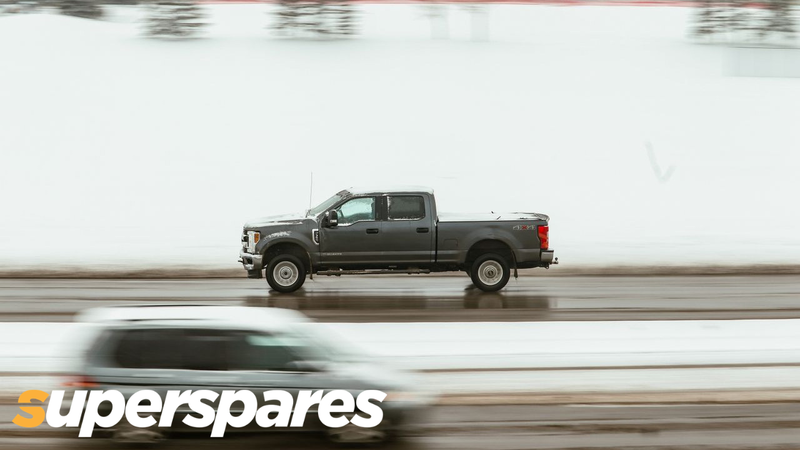

Winter can be tough on your vehicle, and your shock absorbers aren't completely immune to the change in conditions. Colder temperatures, wet roads, potholes, and changing road surfaces can all put extra demands on your suspension.
While winters vary considerably depending on where you live, understanding how seasonal conditions affect your shocks can help you spot problems early and keep your vehicle handling as it should.
How Does Cold Weather Affect Shock Absorbers?
Shock absorbers rely on hydraulic fluid moving through internal valves to control suspension movement. As temperatures fall, that fluid can become more viscous and flow more slowly, which may temporarily make the suspension feel firmer until the shocks warm through normal driving.
In Australian winter conditions, this effect may become more noticeable on mornings around 0°C to 10°C, particularly in colder regions. In alpine areas, temperatures can also fall below 0°C, placing even greater demands on suspension fluids and seals during cold starts.
You may notice slightly firmer damping during the first few kilometres of driving, but good-quality modern shock absorbers are engineered to provide consistent damping across changing driving conditions. Well-known examples include Bilstein B6 and B8, KYB Excel-G, and Monroe OESpectrum shock absorbers. Depending on the application, these ranges use technologies such as gas pressurisation, specialised hydraulic fluids, and advanced valving to help maintain consistent suspension performance as operating conditions change.
Cold weather alone doesn't necessarily mean your shocks need replacing. However, if the vehicle continues to feel excessively stiff, bouncy, unstable, or noisy after warming up, the colder conditions may be exposing existing wear or damage that should be inspected.
Why Winter Can Be Tough on Your Suspension
The bigger issue isn't always the temperature itself. It's the combination of road and driving conditions that often comes with winter.
| Winter Condition | Potential Effect on Suspension |
|---|---|
| Colder temperatures | May temporarily change shock absorber response |
| Potholes and damaged roads | Increase impact loads on shocks and suspension |
| Wet roads | Place greater importance on tyre contact and vehicle control |
| Mud and road grime | Can build up around suspension components |
| Frequent rough-road driving | May accelerate wear on already ageing components |
Your shock absorbers help keep your tyres in contact with the road. If they're already worn, challenging winter conditions can make poor handling more noticeable.
Signs Your Shock Absorbers May Be Struggling
Winter is a good time to pay attention to how your vehicle feels on the road. Common signs of worn or damaged shock absorbers include:
- Excessive bouncing after bumps
- Increased body roll through corners
- Nose-diving under braking
- Uneven or unusual tyre wear
- Fluid leaking from a shock absorber
- Knocking or unusual suspension noises
- Reduced stability on rough or wet roads
One symptom doesn't automatically mean your shock absorbers have failed. Suspension bushes, springs, tyres, wheel alignment, and other components can cause similar problems, so a proper inspection is important.
Do Shock Absorbers Need Special Winter Maintenance?
Shock absorbers generally don't require seasonal servicing, but winter provides a good opportunity to inspect your suspension, particularly before a long road trip.
Quick Winter Suspension Check
- Look for leaks: Check the shock absorber bodies for obvious fluid leakage or damage.
- Inspect your tyres: Look for uneven wear that could indicate suspension or alignment problems.
- Pay attention to handling: Excessive bouncing, instability, or unusual body movement shouldn't be ignored.
- Listen for noises: Knocking or clunking over bumps may indicate worn suspension components.
- Get problems inspected: If something doesn't feel right, have the suspension checked by a qualified professional.
For 4WDs that regularly tackle rough tracks, mud, or touring conditions, it's also worth inspecting suspension components for physical damage and excessive dirt build-up.
Should You Replace Worn Shocks Before Winter?
If your shock absorbers are already showing clear signs of wear, replacing them before more demanding winter driving can be a sensible move.
Worn shocks can affect how well the tyres maintain contact with the road, particularly over uneven surfaces. They can also contribute to excessive body movement and reduced vehicle stability.
Don't rely on age or kilometres alone to decide when replacement is needed. Vehicle type, driving conditions, loads, modifications, and shock absorber design can all affect service life.
Featured Shock Absorbers for Winter
Modern shock absorbers use different technologies to maintain more consistent damping as temperatures and driving conditions change. While these models aren't specifically designed as "winter shocks", their fluid, gas-pressure, and valving technologies can help manage some of the performance challenges associated with changing operating temperatures.
| Brand & Model | Key Technology | How It Helps |
|---|---|---|
| Bilstein B6 & B8 | Monotube gas-pressure technology | High gas pressure helps reduce oil foaming and maintains consistent damping as the shock works and temperatures change. |
| KYB Excel-G | Nitrogen gas and multi-stage valving | Gas pressurisation helps reduce aeration and foaming of the hydraulic fluid, while the valving controls damping across different suspension speeds and driving conditions. |
| Monroe OESpectrum | Twin Technology Active Control System | Uses impact-control and low-speed-control valving to balance ride comfort and vehicle control as road and driving conditions change. |
These technologies don't eliminate the effects of cold temperatures entirely. Shock absorber fluid can still behave differently when cold, particularly when the vehicle first starts moving. However, modern gas pressurisation, hydraulic fluid formulations, and advanced valving can help provide more predictable damping across a wider range of operating conditions.
Note: Shock absorber technology and specifications can vary by model, vehicle application, and market. Always check the manufacturer's specifications when choosing replacement shocks for your vehicle.
Keep Your Suspension Ready for Winter
Winter doesn't automatically spell trouble for your shock absorbers, but colder temperatures and challenging road conditions can expose weaknesses in an already worn suspension system. Paying attention to changes in handling, unusual noises, leaks, and tyre wear can help you identify potential problems before they become more serious.
If your suspension is due for some attention, Superspares is an Australian auto parts online shop offering shock absorbers, suspension components, replacement parts, and performance upgrades for passenger cars, performance vehicles, and 4WDs.

Written by Toby Martin
Automotive Content Specialist

